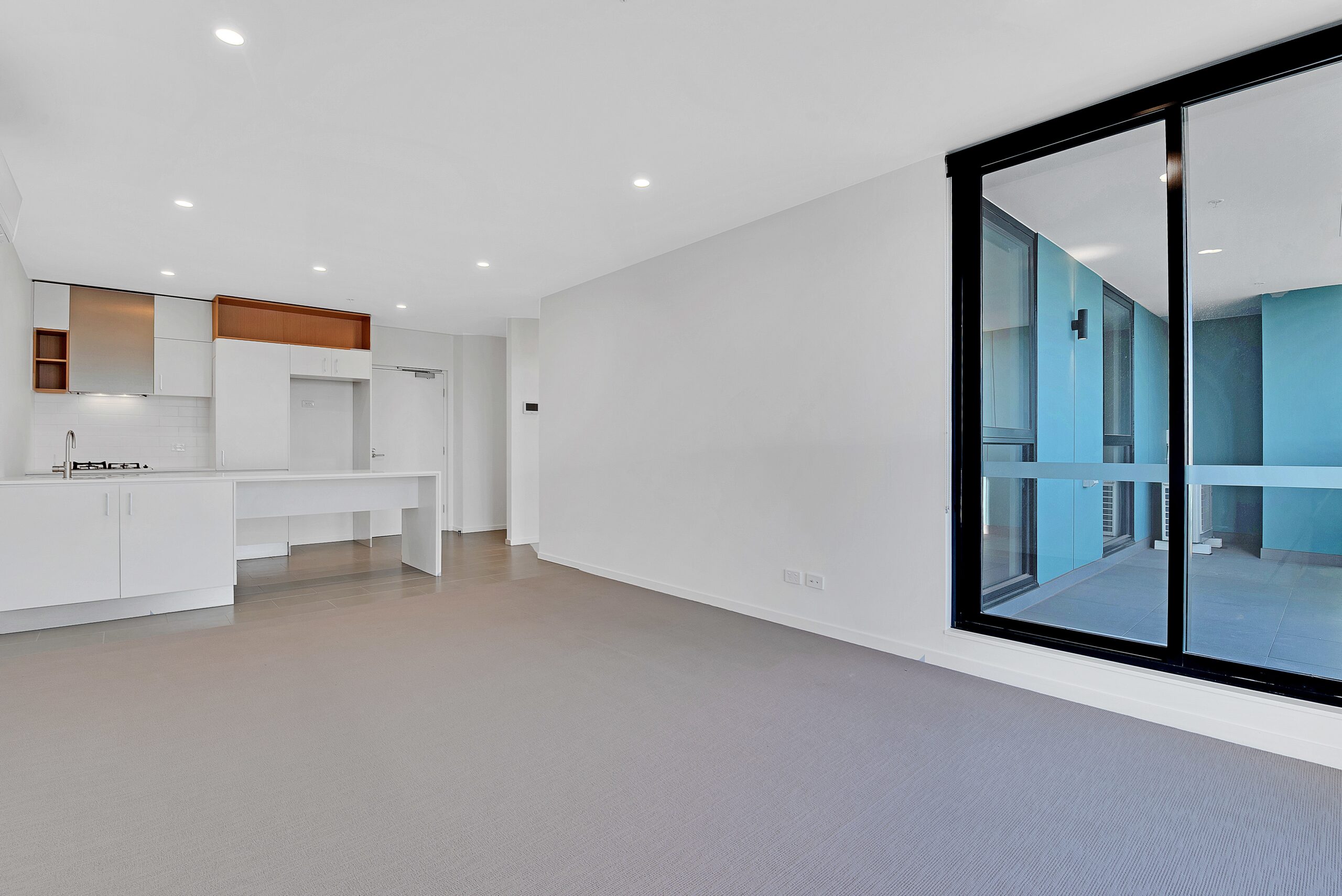
A basement remodel is one of the best ways to add usable square footage—but only if you treat moisture, air flow, and safety as the foundation. In Voorhees, Marlton, Berlin, and Haddon Heights, the most successful basements feel like true living space: warm, dry, bright, and properly planned.
Step 1: Moisture Control Comes First
Before finishes, address:
- musty smells or damp walls
- water entry points after heavy rain
- humidity management and dehumidification needs
- drainage and sump considerations where applicable
Finishing a basement before solving moisture is the fastest way to ruin drywall, flooring, and trim.
Step 2: Layout Planning for Real Use
Popular basement zones include:
- home office with sound control
- gym or wellness room
- playroom with storage
- guest suite and media space
- finished laundry + utility organization
Step 3: Insulation, Framing, and Lighting
Comfort comes from:
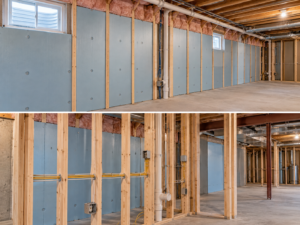
- correct insulation strategy
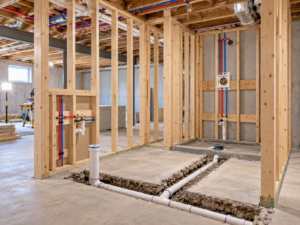
- safe electrical planning and outlets where you need them
- layered lighting that prevents the “basement cave” effect
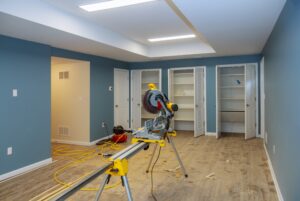
- ceilings and wall finishes that match the rest of the home
Step 4: Egress and Safety (When Required)
If you’re adding bedrooms or increasing occupancy, egress planning may apply. We help you understand what’s needed and build accordingly.
A great basement remodel isn’t just new flooring—it’s a system that stays dry and comfortable year-round.